
Aurora Slathers Up the Sky (May 16, 2026)
May 16, 2026 6:11am
NASA Astronomy Picture of the Day for 2026-05-16 is titled "Aurora Slathers Up the Sky." The release is published as a image and pairs imagery with an official...
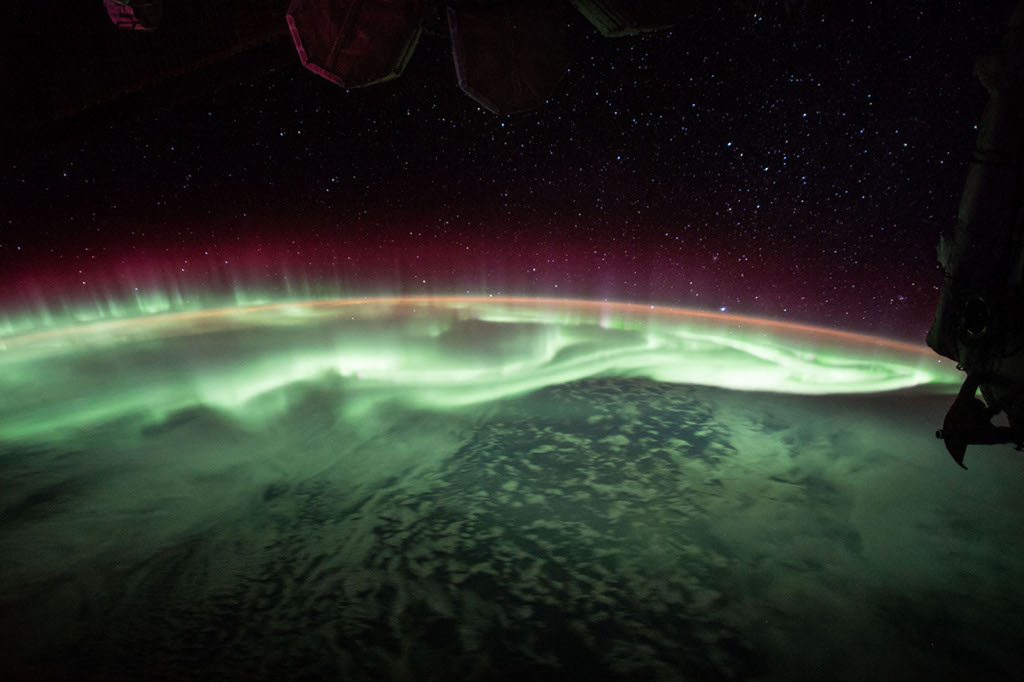
NASA Astronomy Picture of the Day for 2026-05-16 is titled "Aurora Slathers Up the Sky." The release is published as a image and pairs imagery with an official science explainer from NASA. The post highlights a specific observable scene and provides technical context for why the view matters.
5-Second Takeaway
NASA Astronomy Picture of the Day for 2026-05-16 is titled "Aurora Slathers Up the Sky." The release is published as a image and pairs imagery with an official science explainer from NASA.
Why This Matters
The post highlights a specific observable scene and provides technical context for why the view matters.
What Changed
- NASA published this Astronomy Picture of the Day on 2026-05-16.
- The item title is Aurora Slathers Up the Sky and the media type is image.
- The image and caption describe observable features highlighted in this release.
- NASA's accompanying explanation provides observation context and interpretation notes.
- Caption excerpt: Like salsa verde on your favorite burrito, a green aurora slathers up the sky in this 2017 June 25 snapshot from the International Space Station. About 400 kilometers (250 miles) above Earth, the orbiting station is itself within the upper realm of the auroral displays. Aurorae have the signature colors of excited molecules and atoms at the low densities found at extreme altitudes. Emission from atomic oxygen dominates this view. The tantalizing glow is green at lower altitudes, but rarer reddish bands extend above the space station's horizon. The orbital scene was captured while passing over a point south and east of Australia, with stars above the horizon at the right belonging to the constellation Canis Major, Orion's big dog. Sirius, alpha star of Canis Major, is the brightest star near the Earth's limb.
- Full mission and image details are available in the official APOD entry.
- NASA APOD page: https://apod.nasa.gov/apod/image/2605/aurora_iss052e007857_1024.jpg
- NASA open API portal: https://api.nasa.gov/
Key Facts
- NASA published this Astronomy Picture of the Day on 2026-05-16.
- The item title is Aurora Slathers Up the Sky and the media type is image.
- The image and caption describe observable features highlighted in this release.
- NASA's accompanying explanation provides observation context and interpretation notes.
Key Numbers
- NASA published this Astronomy Picture of the Day on 2026-05-16.
- Caption excerpt: Like salsa verde on your favorite burrito, a green aurora slathers up the sky in this 2017 June 25 snapshot from the International Space Station. About 400 kilometers (250 miles) above Earth, the orbiting station is itself within the upper realm of the auroral displays. Aurorae have the signature colors of excited molecules and atoms at the low densities found at extreme altitudes. Emission from atomic oxygen dominates this view. The tantalizing glow is green at lower altitudes, but rarer reddish bands extend above the space station's horizon. The orbital scene was captured while passing over a point south and east of Australia, with stars above the horizon at the right belonging to the constellation Canis Major, Orion's big dog. Sirius, alpha star of Canis Major, is the brightest star near the Earth's limb.
- NASA APOD page: https://apod.nasa.gov/apod/image/2605/aurora_iss052e007857_1024.jpg