
Tranquility and Serenity (July 25, 2026)
July 25, 2026 6:11am
NASA Astronomy Picture of the Day for 2026-07-25 is titled "Tranquility and Serenity." The release is published as a image and pairs imagery with an official sc...
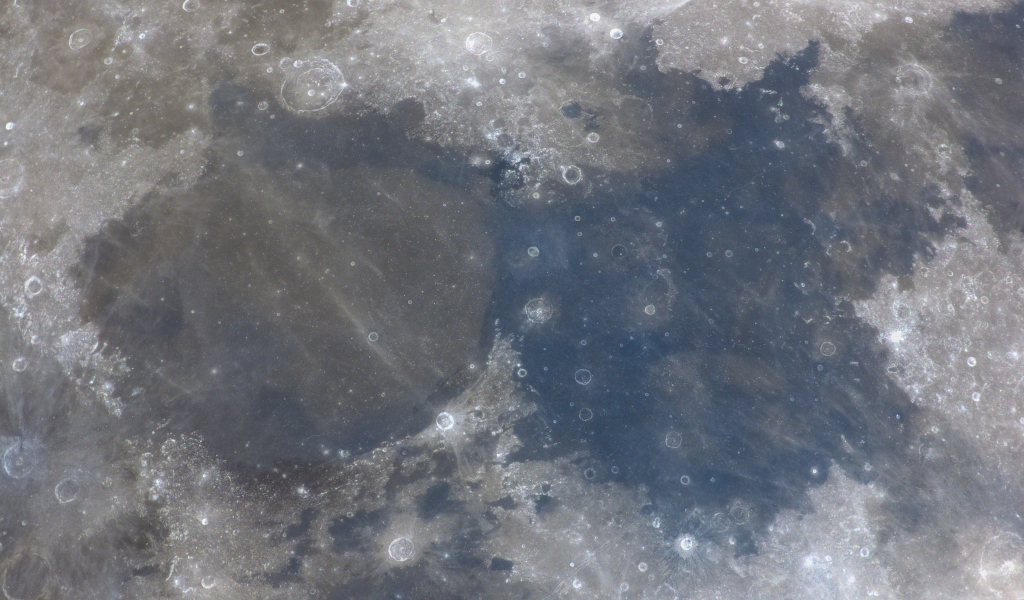
NASA Astronomy Picture of the Day for 2026-07-25 is titled "Tranquility and Serenity." The release is published as a image and pairs imagery with an official science explainer from NASA. The post highlights a specific observable scene and provides technical context for why the view matters.
5-Second Takeaway
NASA Astronomy Picture of the Day for 2026-07-25 is titled "Tranquility and Serenity." The release is published as a image and pairs imagery with an official science explainer from NASA.
Why This Matters
The post highlights a specific observable scene and provides technical context for why the view matters.
What Changed
- NASA published this Astronomy Picture of the Day on 2026-07-25.
- The item title is Tranquility and Serenity and the media type is image.
- The image and caption describe observable features highlighted in this release.
- NASA's accompanying explanation provides observation context and interpretation notes.
- Caption excerpt: The Seas of Tranquility and Serenity are calm today. They're calm most every day though, since they are actually lunar maria, ancient lava flows filling in large impact basins on the Moon. Also known by Latin names Mare Tranquillitatis (right) and Mare Serenitatis, the smooth dark lunar "seas" are in stark contrast to the bright cratered lunar highlands surrounding them in this telescopic view. Of course their names are based on the historical, pre-telescopic designations of lunar maria. Easily visible to the unaided eye, the broad features on the Moon's near side were imagined to be like the expansive oceans of planet Earth. On July 20, 1969, the Apollo 11 lunar module Eagle touched down on the Mare Tranquillitatis (at lower right), establishing Tranquility base and the first human presence on the Moon.
- Full mission and image details are available in the official APOD entry.
- NASA APOD page: https://apod.nasa.gov/apod/image/2607/TranquilitySerenity1024c.jpg
- NASA open API portal: https://api.nasa.gov/
Key Facts
- NASA published this Astronomy Picture of the Day on 2026-07-25.
- The item title is Tranquility and Serenity and the media type is image.
- The image and caption describe observable features highlighted in this release.
- NASA's accompanying explanation provides observation context and interpretation notes.
Key Numbers
- NASA published this Astronomy Picture of the Day on 2026-07-25.
- Caption excerpt: The Seas of Tranquility and Serenity are calm today. They're calm most every day though, since they are actually lunar maria, ancient lava flows filling in large impact basins on the Moon. Also known by Latin names Mare Tranquillitatis (right) and Mare Serenitatis, the smooth dark lunar "seas" are in stark contrast to the bright cratered lunar highlands surrounding them in this telescopic view. Of course their names are based on the historical, pre-telescopic designations of lunar maria. Easily visible to the unaided eye, the broad features on the Moon's near side were imagined to be like the expansive oceans of planet Earth. On July 20, 1969, the Apollo 11 lunar module Eagle touched down on the Mare Tranquillitatis (at lower right), establishing Tranquility base and the first human presence on the Moon.
- NASA APOD page: https://apod.nasa.gov/apod/image/2607/TranquilitySerenity1024c.jpg