
Vaporizing Meteor Photobombs the Lacerta Nebula (August 3, 2026)
August 3, 2026 6:11am
NASA Astronomy Picture of the Day for 2026-08-03 is titled "Vaporizing Meteor Photobombs the Lacerta Nebula." The release is published as a image and pairs imag...
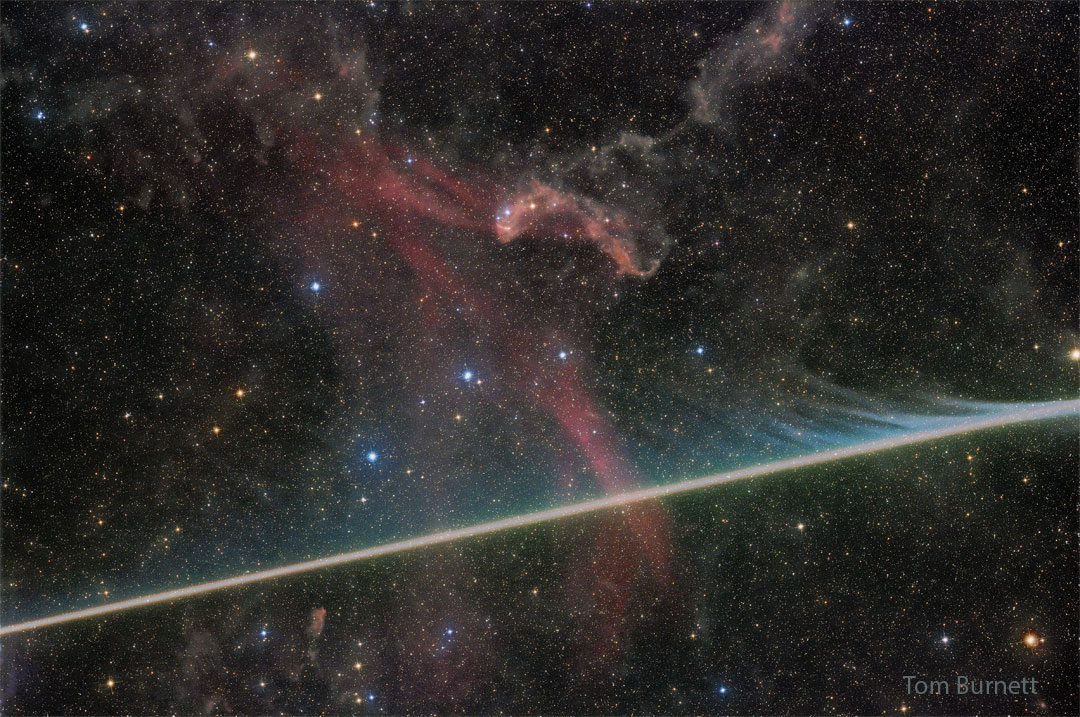
NASA Astronomy Picture of the Day for 2026-08-03 is titled "Vaporizing Meteor Photobombs the Lacerta Nebula." The release is published as a image and pairs imagery with an official science explainer from NASA. The post highlights a specific observable scene and provides technical context for why the view matters.
5-Second Takeaway
NASA Astronomy Picture of the Day for 2026-08-03 is titled "Vaporizing Meteor Photobombs the Lacerta Nebula." The release is published as a image and pairs imagery with an official science explainer from NASA.
Why This Matters
The post highlights a specific observable scene and provides technical context for why the view matters.
What Changed
- NASA published this Astronomy Picture of the Day on 2026-08-03.
- The item title is Vaporizing Meteor Photobombs the Lacerta Nebula and the media type is image.
- The image and caption describe observable features highlighted in this release.
- NASA's accompanying explanation provides observation context and interpretation notes.
- Caption excerpt: What's happening to this meteor? This bright meteor streak appeared and disappeared quickly during a long exposure of the Great Lacerta Nebula, seen faintly in red toward the center of the image. The meteoroid, likely a small pebble, creates its glow partly by heating and exciting surrounding air in Earth's atmosphere, but itself vaporizes and leaves wind-blown gas and dust with colors that give clues to its composition. The featured image was captured last month from Death Valley Observatories in Nevada, USA. This month, though, is particularly good for seeing meteors. Presently there are three meteor showers ongoing, although they are currently competing for visibility with the glow of a bright gibbous Moon. The most active of these showers, the Perseids, will be busiest in about 10 days -- after the Moon has dimmed considerably. This year, the Perseids peak nearly coincides with n
- Full mission and image details are available in the official APOD entry.
- NASA APOD page: https://apod.nasa.gov/apod/image/2608/MeteorGecko_Burnett_1080.jpg
- NASA open API portal: https://api.nasa.gov/
Key Facts
- NASA published this Astronomy Picture of the Day on 2026-08-03.
- The item title is Vaporizing Meteor Photobombs the Lacerta Nebula and the media type is image.
- The image and caption describe observable features highlighted in this release.
- NASA's accompanying explanation provides observation context and interpretation notes.
Key Numbers
- NASA published this Astronomy Picture of the Day on 2026-08-03.
- Caption excerpt: What's happening to this meteor? This bright meteor streak appeared and disappeared quickly during a long exposure of the Great Lacerta Nebula, seen faintly in red toward the center of the image. The meteoroid, likely a small pebble, creates its glow partly by heating and exciting surrounding air in Earth's atmosphere, but itself vaporizes and leaves wind-blown gas and dust with colors that give clues to its composition. The featured image was captured last month from Death Valley Observatories in Nevada, USA. This month, though, is particularly good for seeing meteors. Presently there are three meteor showers ongoing, although they are currently competing for visibility with the glow of a bright gibbous Moon. The most active of these showers, the Perseids, will be busiest in about 10 days -- after the Moon has dimmed considerably. This year, the Perseids peak nearly coincides with n
- NASA APOD page: https://apod.nasa.gov/apod/image/2608/MeteorGecko_Burnett_1080.jpg